What Are the Most Effective Methods for Refinishing Handrails and Banisters?
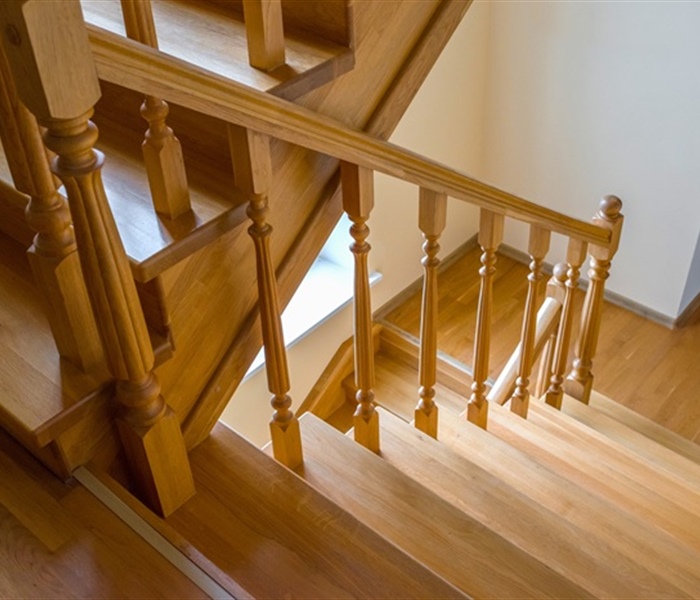
Handrails and banisters are among the most handled architectural elements in a home. Over time, finishes wear through, edges soften, and surface damage becomes visible from daily use. Refinishing these components requires more than cosmetic updates; it involves careful surface preparation, material compatibility, and finish selection that preserves detail while improving durability. Understanding the most effective methods for refinishing handrails and banisters helps homeowners and property managers maintain safety, appearance, and long-term performance.
This article explains proven refinishing methods used in professional stair restoration. It covers how old finishes are removed without damaging profiles, how stains and paints are matched to existing staircase components, how physical damage is repaired, which topcoats withstand repeated contact, and when off-site refinishing is preferable to onsite work. These topics reflect the same technical approach used by Fulton Revivals when restoring interior architectural woodwork, including stair systems, trim, and high-touch surfaces. For readers researching professional refinishing standards, this guide provides detailed, evidence-based insight.
How to Strip Old Handrail Finishes Without Rounding Edges
Preserving crisp profiles during finish removal requires methods that minimize abrasion. Chemical stripping agents designed for architectural woodwork soften film finishes without aggressive sanding. These products penetrate varnish, lacquer, or polyurethane layers, allowing removal with plastic scrapers that follow the grain rather than cutting across edges. This approach maintains sharp transitions on volutes, fillets, and returned ends.
When mechanical abrasion is required, professionals rely on controlled hand sanding with rigid sanding blocks instead of flexible pads. Blocks keep pressure flat across surfaces and prevent edge rollover, which commonly occurs when orbital sanders are used on rounded profiles. Fine-grit papers are used progressively, stopping as soon as bare wood is exposed to avoid unnecessary material loss.
In staircase restoration projects involving historic or custom-milled components, a combination of low-alkaline chemical stripping and hand-detailing is standard practice. This method aligns with established interior wood restoration protocols and avoids irreversible damage. Readers researching professional refinishing methods will find that edge preservation is driven by restraint, not speed.
Choosing Stains and Paints That Match Existing Staircase Components
Accurate color matching begins with identifying the wood species and finish type already present in the staircase. Oak, maple, pine, and poplar absorb stains differently due to grain density and pore structure. Matching requires test samples applied to hidden sections or removable parts, evaluated under the same lighting conditions as the staircase.
Professional refinishing avoids single-coat stain application when blending with existing components. Layered staining techniques, including base tone application followed by toner coats, allow precise color adjustment. This method is commonly used when only the handrail or balusters are refinished while treads, risers, or newel posts remain untouched.
For painted staircases, compatibility between primers and finish coats is critical. Oil-based enamels, waterborne alkyds, and acrylic urethanes each produce different sheen levels and hardness. Matching existing components requires sheen measurement and controlled test panels rather than visual estimation alone.
Repairing Dents, Scratches, and Loosened Handrail Sections
Surface damage repair begins with structural assessment. Loose handrails often indicate failed fasteners, wall anchors, or internal rail bolts. Proper repair involves re-securing the rail into framing members or steel brackets, not surface patching. This restores load-bearing integrity required by residential building standards.
Dents and compression damage are treated based on depth and fiber breakage. Shallow dents in solid wood can often be raised using controlled moisture and heat, allowing compressed fibers to rebound. Deeper damage requires epoxy-based wood repair compounds formulated for structural use, shaped after curing to restore original profiles.
Scratches are addressed by leveling surrounding finish rather than filling the scratch alone. Spot repairs blend into the surrounding surface using feathered sanding and localized color correction. This avoids halo effects and sheen inconsistencies that occur with isolated touch-ups.
Best Topcoat Products for High-Touch Handrail Durability
Handrails require finishes engineered for abrasion resistance, chemical stability, and frequent contact. Traditional oil-based polyurethane provides hardness but yellows over time. Modern waterborne urethane systems offer improved clarity, faster cure times, and better resistance to skin oils and cleaning agents.
Two-component conversion varnishes and catalyzed urethanes are often used in professional stair refinishing due to their crosslinked molecular structure. Once cured, these finishes resist wear patterns common on grasp points and corners. Application requires controlled conditions to ensure proper film build and adhesion.
Sheen selection also affects durability perception. Satin and matte finishes mask micro-scratches better than gloss while maintaining cleanability. Finish thickness and proper curing time play a larger role in longevity than sheen alone.
When Handrails Should Be Refinished Offsite Versus Onsite
Offsite refinishing is preferred when handrails are removable without compromising structural elements. Shop environments allow controlled dust management, spray application, and full curing without household disruption. This approach produces more uniform finishes, especially for stained or catalyzed coatings.
Onsite refinishing is necessary when rails are integrated into wall systems, curved staircases, or continuous newel assemblies. In these cases, containment systems, low-odor products, and staged application minimize impact on occupied spaces while maintaining finish quality.
The decision depends on access, finish type, household conditions, and timeline. Professional assessments weigh removal risk against finish performance requirements, ensuring the chosen method supports both appearance and durability.
Professional Handrail and Banister Refinishing Services
Fulton Revivals provides specialized interior wood restoration services throughout Chicago and the surrounding suburbs, including staircases, handrails, banisters, and architectural wood details. Each project is evaluated individually to determine the most effective approach, whether onsite or offsite, with careful attention to surface preparation, structural repair, precise finish matching, and long-lasting protective coatings.
Fulton Revivals, serves both residential and commercial clients across the greater Chicago area. To discuss refinishing options or schedule an evaluation, call 630-615-1283 or reach out through their online contact form. Their team is available to answer questions and provide clear, expert guidance for long-term wood restoration solutions.