How Do Moisture and Humidity Affect Wood Cabinets?
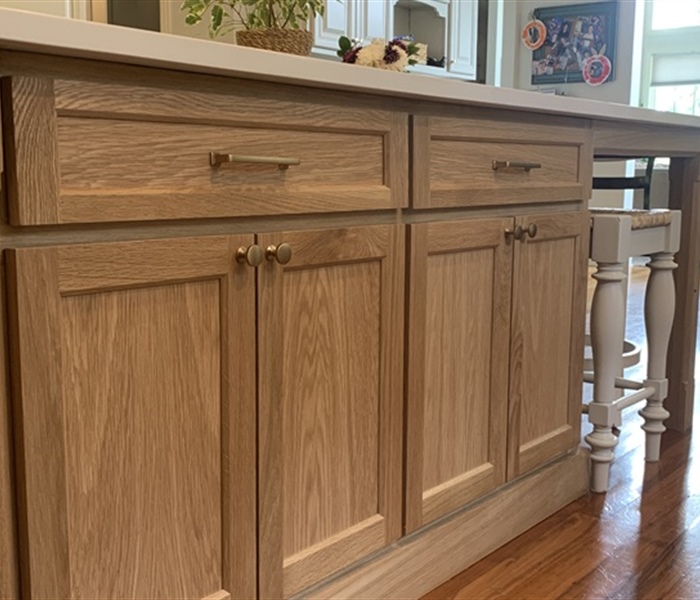
Wood cabinets constantly respond to the environment around them, which is why moisture and humidity play such a major role in their appearance, durability, and structural stability. Wood is a natural material made of microscopic fibers and cells that absorb and release moisture depending on the humidity levels inside a home. In kitchens, bathrooms, laundry rooms, and other high-moisture spaces, cabinet materials can expand, contract, warp, or crack over time as conditions fluctuate throughout the year. Homeowners often notice sticking cabinet doors during humid summers or shrinking gaps during dry winter months without realizing these changes are tied directly to the moisture content inside the wood itself. Understanding how humidity affects cabinetry is one of the most important parts of protecting long-term cabinet performance and preserving the beauty of finished wood surfaces.
At Fulton Revivals, cabinet restoration and finishing projects regularly involve evaluating how climate conditions affect painted and stained cabinetry over time. Moisture exposure, ventilation issues, seasonal temperature shifts, and indoor humidity levels all influence how cabinets age and perform in real homes. This article explores how wood naturally reacts to moisture, what happens during prolonged humid or dry conditions, how seasonal climate changes affect cabinetry, and what homeowners can do to reduce moisture-related damage. Readers looking into long-term cabinet care, wood preservation, and cabinet painting solutions will also learn practical methods used to maintain cabinet integrity in changing indoor environments.
Why Wood Cabinets Absorb Moisture and React to Humidity Changes
Wood is considered a hygroscopic material, meaning it naturally absorbs and releases moisture from the surrounding air until it reaches equilibrium with the environment. Unlike synthetic materials that remain relatively unchanged in fluctuating conditions, natural wood continuously exchanges moisture through its cellular structure. Cabinet doors, drawer fronts, face frames, and wood panels all contain microscopic fibers that swell when humidity levels rise and contract when the air becomes dry. This movement is a normal physical characteristic of wood and occurs in both solid hardwood cabinetry and engineered wood products.
The amount of movement depends on several variables, including wood species, grain direction, manufacturing quality, finish protection, and environmental conditions inside the home. Kitchens experience frequent humidity shifts due to cooking, dishwashing, steam, plumbing, and appliance heat. Bathrooms and laundry rooms create similar conditions. When indoor humidity rises above recommended levels, cabinet components absorb excess moisture and expand. During dry winter conditions or prolonged air conditioning use, the opposite occurs as wood releases moisture and shrinks. Repeated expansion and contraction cycles place stress on joints, fasteners, finishes, and adhesives over time.
Wood movement also explains why cabinet installers leave expansion allowances during manufacturing and installation. Panels are designed to move slightly within cabinet frames, and proper spacing helps reduce visible damage caused by environmental changes. Professional finishing systems help slow moisture transfer, but no coating completely stops wood from reacting to humidity. This is why homeowners in regions with strong seasonal swings often notice subtle cabinet movement throughout the year. In Chicago homes, where summers can become humid and winters extremely dry, maintaining stable indoor humidity levels is one of the most effective ways to preserve cabinet structure and appearance.
Effects of High Humidity on Wood Cabinets and Painted Finishes
Excess humidity is one of the most common causes of cabinet swelling and distortion. When wood absorbs too much moisture, cabinet doors and drawer fronts can expand beyond their intended tolerances. Homeowners often notice doors rubbing against adjacent panels, drawers becoming difficult to open, or misalignment developing around hinges. These issues occur because the wood fibers physically enlarge as they retain moisture. In severe cases, prolonged exposure can cause permanent warping or twisting that no longer returns to its original shape once humidity decreases.
High humidity also affects cabinet finishes and coatings. Paint and protective topcoats may begin to soften or lose adhesion when exposed to elevated moisture over long periods. This can lead to bubbling, peeling, blistering, or premature finish failure, especially around sinks, dishwashers, and poorly ventilated cooking areas. Moisture intrusion around seams and joints allows water vapor to penetrate beneath the finish layer, weakening adhesion and accelerating deterioration. Homes with insufficient kitchen ventilation are especially vulnerable because steam and cooking moisture repeatedly settle onto cabinet surfaces.
Another major concern associated with excessive humidity is mold and mildew growth. Organic wood materials provide a potential food source for microbial growth when combined with warmth and moisture. Mold often develops inside sink cabinets, near plumbing penetrations, or in poorly ventilated corners where condensation accumulates. Over time, persistent moisture exposure may also weaken adhesives in engineered cabinet components and cause veneered surfaces to separate. Professional finishing practices used in cabinet painting projects often include moisture-resistant primers, sealers, and durable coatings designed to help reduce moisture penetration and extend cabinet longevity in high-use environments.
How Low Humidity and Dry Air Damage Wood Cabinets
While excessive moisture causes swelling, extremely dry conditions create the opposite problem. As humidity levels drop, wood releases moisture into the surrounding air and begins to contract. This shrinkage can produce visible gaps between cabinet joints, recessed panels, and face frames. Over time, repeated drying cycles place stress on fasteners, adhesives, and joinery methods that hold cabinetry together. Homeowners frequently notice separation lines near cabinet seams during winter months when indoor heating systems significantly reduce relative humidity.
Low humidity can also lead to cracking in solid wood components. Narrow cracks may develop along grain lines, especially in doors, decorative moldings, or hardwood face frames exposed to prolonged dry air. Painted cabinets may show finish stress as wood movement beneath the coating creates tension that eventually causes hairline fractures or splitting. Dry environments can also make existing finish imperfections more visible because shrinking wood changes the smoothness and alignment of painted surfaces.
Another common issue associated with dry indoor environments is finish brittleness. Protective coatings rely on stable substrate conditions to remain flexible and durable. When wood contracts excessively, finishes may lose elasticity and begin separating from the underlying material. This often appears around corners, joints, or panel edges where movement is concentrated. Seasonal dryness is particularly noticeable in northern climates where furnace systems run continuously during winter. Many cabinet specialists recommend maintaining indoor humidity between approximately 35% and 50% to minimize excessive wood movement and reduce the likelihood of cracking, shrinking, or finish deterioration.
How Seasonal Humidity Changes Affect Cabinet Structure Over Time
Seasonal climate changes expose wood cabinets to repeated expansion and contraction cycles throughout the year. During humid summers, cabinetry absorbs moisture and swells slightly. In winter, heating systems dry the air and cause wood components to contract. Although these movements may appear minor individually, years of seasonal cycling gradually place stress on cabinet joints, hinges, fasteners, and finish systems. The cumulative effect often becomes visible through alignment changes, surface cracking, and finish wear.
Cabinets installed near exterior walls, windows, sinks, or heat sources are especially vulnerable because those locations experience greater temperature and humidity fluctuations. Kitchens routinely generate steam and moisture from cooking, boiling water, dishwashers, and plumbing systems. When seasonal outdoor conditions combine with indoor moisture sources, cabinets experience continual environmental changes that affect structural stability. Painted finishes may also react differently than stained finishes because coating thickness, flexibility, and permeability influence how moisture moves in and out of the wood substrate.
Long-term humidity fluctuations can also affect cabinet hardware performance. Hinges may loosen as wood fibers expand and contract around screws, while drawer alignment can shift due to changing panel dimensions. Gaps may appear temporarily during dry periods and disappear when humidity rises again. These seasonal movements are often normal within moderate ranges, but dramatic environmental swings accelerate wear and increase the likelihood of permanent deformation. Fulton Revivals regularly works with Chicago-area homeowners dealing with climate-related cabinet issues caused by years of seasonal humidity variation, particularly in older homes where insulation and ventilation systems may be inconsistent.
Best Ways to Prevent Moisture Damage in Wood Cabinets
Controlling indoor humidity is one of the most effective ways to protect wood cabinets from moisture-related damage. Most cabinet professionals recommend maintaining indoor relative humidity between 35% and 50% throughout the year. Humidifiers may help during extremely dry winters, while dehumidifiers and air conditioning systems reduce excessive summer moisture. Monitoring humidity levels with a digital hygrometer allows homeowners to identify problematic conditions before cabinet damage becomes severe.
Ventilation also plays a major role in cabinet preservation. Kitchens should use properly vented range hoods that exhaust cooking steam outside the home rather than recirculating moisture into the room. Bathrooms and laundry rooms benefit from exhaust fans that remove humid air during and after use. Plumbing leaks beneath sinks should be repaired immediately because even small leaks can saturate cabinet interiors over time. Maintaining proper airflow around cabinetry reduces condensation buildup and helps stabilize moisture conditions near wood surfaces.
Protective finishes and routine maintenance provide another layer of defense against moisture intrusion. High-quality primers, paints, stains, and clear sealers help slow moisture absorption while protecting surfaces from staining and deterioration. Homeowners should wipe standing water quickly, avoid prolonged moisture exposure near sink areas, and inspect cabinet interiors regularly for signs of swelling, discoloration, or mold growth. Professional refinishing services from Fulton Revivals often involve evaluating cabinet conditions, repairing moisture-related damage, and applying durable finish systems designed to withstand changing indoor environments while preserving the appearance of natural wood cabinetry.
Professional Cabinet Care and Moisture Protection Services
At Fulton Revivals, we understand how Chicago’s seasonal humidity changes affect wood cabinetry over time. Our team works with homeowners who are dealing with swelling cabinet doors, finish deterioration, dry cracking, and long-term moisture exposure that has impacted the appearance and performance of their kitchens and built-in cabinetry. We use professional preparation methods, durable coatings, and detailed finishing systems designed to improve cabinet longevity while preserving the beauty of natural wood surfaces.
Our cabinet refinishing and restoration services are tailored to the environmental demands common in Chicago homes. We evaluate existing cabinet conditions, identify areas affected by moisture movement, and recommend practical solutions that support long-term durability. Whether homeowners need repainting, refinishing, sealing, or restoration work for aging cabinetry, our experienced team focuses on craftsmanship and proper surface preparation to help cabinets perform well through changing seasonal conditions.
Fulton Revivals proudly serves homeowners throughout the Chicago area. To learn more about protecting your cabinetry from humidity-related damage or to discuss a cabinet refinishing project, call us at 630-615-1283 or contact us today. Our team is committed to helping homeowners maintain beautiful, durable cabinetry that stands up to daily use and changing indoor climates.