How Can Homeowners Maintain Restored Wood Surfaces for Decades?
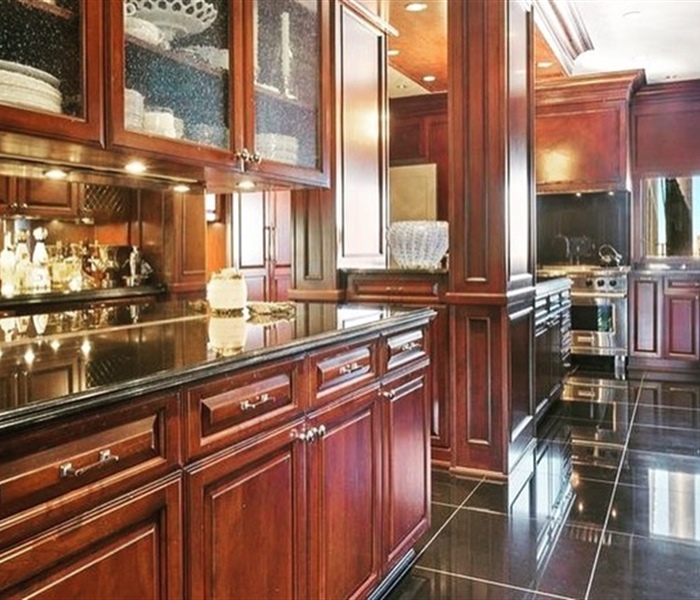
Restored wood surfaces are often the result of detailed craftsmanship, careful material selection, and controlled finishing systems designed to preserve original character while improving durability. Once restoration is complete, long-term performance depends on how those surfaces are treated in everyday living conditions. Cleaning habits, environmental exposure, and seasonal changes all play measurable roles in how well finishes hold up over time.
Homeowners who want restored woodwork to last for decades must understand how finishes age and why maintenance schedules matter. This includes using the right cleaning methods, managing light exposure, responding to seasonal humidity changes, and knowing when protective layers need renewal. These practices align closely with our process used by Fulton Revivals, where long-term performance is built into every restoration decision.
Cleaning Methods That Prevent Wear on Newly Restored Wood Finishes
Newly restored wood finishes rely on a cured protective layer that shields the surface from abrasion, moisture intrusion, and chemical exposure. Routine cleaning should avoid ammonia, alcohol, or citrus-based solvents, as these compounds soften cured coatings over time. Instead, dry microfiber dusting or lightly dampened cloths using pH-neutral cleaners maintain surface integrity without stripping protective layers.
Abrasive sponges and paper towels introduce micro-scratches that dull reflective finishes and accelerate wear patterns. Over time, these microscopic abrasions reduce the thickness of the protective film, exposing stain or wood fibers underneath. This degradation pattern is well-documented in controlled finish testing used in professional cabinet restoration environments.
Professional restoration workflows emphasize minimal moisture exposure and controlled cleaning techniques. These principles are central to our process, where finish durability is evaluated alongside appearance to reduce maintenance-related wear.
How Sunlight Alters Varnish, Stain, and Painted Wood Surfaces
Ultraviolet radiation triggers chemical breakdown in both clear and pigmented finishes. Varnishes gradually yellow as UV exposure alters resin bonds, while stains fade unevenly depending on pigment density and wood species. Painted surfaces experience chalking, where binders degrade and release pigment particles, leaving a dull residue.
South- and west-facing exposures receive the highest UV intensity, leading to faster degradation. Even finishes labeled as UV-resistant only slow this process rather than stopping it. Professional-grade finishes used in cabinet restoration are tested for lightfastness, but environmental exposure still dictates long-term appearance.
Interior restoration specialists recommend window films, UV-filtering glass, or strategic shading to reduce cumulative exposure. These strategies align with finish preservation standards used by Fulton Revivals in Chicago when evaluating long-term durability in sun-exposed interiors.
Seasonal Maintenance Practices That Prevent Cracking and Drying
Wood expands and contracts as ambient humidity shifts between seasons. During winter, indoor heating lowers relative humidity, increasing the risk of finish cracking and joint separation. In summer, elevated moisture levels can cause swelling that stresses cured coatings.
Seasonal inspections help identify early signs of stress, such as hairline cracks, finish lifting, or joint movement. Addressing these issues early prevents moisture infiltration that accelerates deterioration beneath the surface.
Consistent indoor humidity control between 35% and 55% reduces dimensional movement in restored woodwork. This range aligns with preservation standards used in professional restoration environments to stabilize both finishes and substrates.
When Protective Top-Coats Should Be Reapplied on Restored Wood
Protective top-coats wear gradually rather than failing suddenly. High-contact areas such as cabinet doors, drawer fronts, and handrails experience faster erosion due to oils, friction, and repeated handling. Visual indicators include dulling, uneven sheen, or increased surface absorbency.
Most professionally applied finishes are designed to accept maintenance coats without full stripping when addressed early. Reapplying a compatible top-coat restores protection and extends the lifespan of the underlying finish system.
Industry benchmarks suggest evaluation every five to seven years for interior restored wood, depending on use patterns and environmental exposure. This approach reflects best practices used in long-term finish preservation.
Humidity Control Strategies That Extend the Life of Restored Woodwork
Humidity directly influences wood movement and finish stability. Sustained fluctuations cause repeated expansion and contraction cycles that fatigue finish films and weaken adhesion. Over time, this leads to cracking, peeling, or joint failure.
Whole-home humidifiers, dehumidifiers, and HVAC-integrated controls provide consistent regulation across seasons. Localized solutions such as room humidifiers are less effective for whole-house woodwork but can stabilize specific areas.
Guidance from Fulton Revivals emphasizes environmental stability as a foundational element of finish longevity, particularly for detailed interior wood restoration projects.
Maintaining restored wood surfaces for decades requires informed care, environmental control, and periodic evaluation. Fulton Revivals applies these principles at every stage of restoration, combining material science with detailed surface preparation to deliver finishes built for long-term performance.
Based in Chicago, their team evaluates cleaning protocols, light exposure, seasonal conditions, and humidity factors to protect restored cabinetry and interior woodwork.
Homeowners seeking professional guidance or long-term maintenance planning can reach out through contact us page to discuss preservation strategies tailored to their restored surfaces.