How Can Homeowners Blend Modern Kitchen Upgrades With Historic Design?
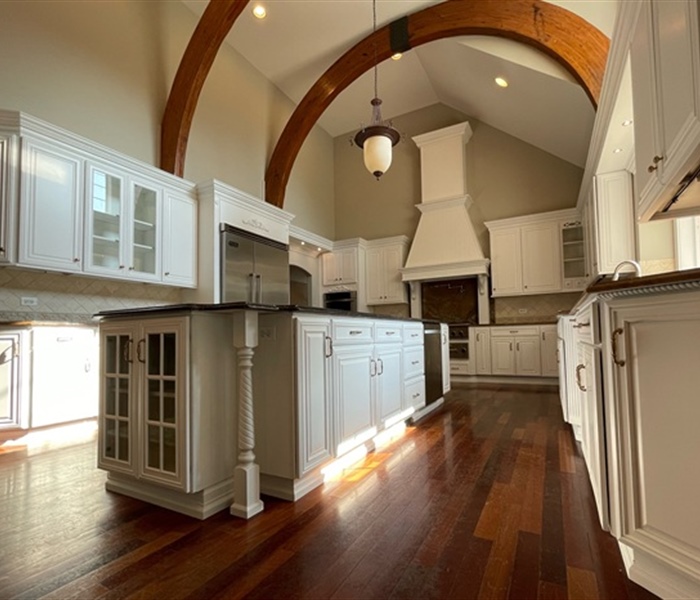
Blending modern kitchen upgrades with historic design requires careful decision-making that respects architectural history while meeting present-day expectations for function and durability. Older homes were built with materials, proportions, and craftsmanship that differ greatly from modern construction, which means updates must work with the original structure rather than overpower it. When homeowners approach kitchen updates with an understanding of period-specific details, they can preserve the character of their home while improving usability and longevity.
Historic kitchens often benefit from thoughtful refinishing, appropriate color selection, and lighting that reflects the era in which the home was built. Questions around cabinet color choices, hardware styles, lighting updates, refinishing techniques, and common design errors all play a role in maintaining authenticity. Fulton Revivals has documented many of these considerations through its work restoring and updating cabinetry in older Chicago homes. The sections below explore these topics in depth, starting with cabinet finishes and ending with common mistakes that disrupt visual continuity. Homeowners interested in preservation-focused updates often begin by researching processes such as cabinet painting to better understand how refinishing fits into historic kitchens.
Choosing Cabinet Colors That Complement a Home’s Architectural Age
Cabinet color selection in historic homes should reflect pigments and finishes that were commonly available during the home’s original construction period. Early 20th-century kitchens often featured muted earth tones, warm creams, soft grays, and natural wood finishes. These colors were influenced by available mineral pigments and oil-based coatings, which produced lower-sheen, depth-rich finishes rather than bright or highly reflective surfaces.
Matching cabinet colors to architectural age also requires consideration of surrounding materials such as plaster walls, original trim, and flooring. For example, homes built in the 1910s and 1920s frequently used warm wood tones and off-white cabinetry to balance darker floors and heavy millwork. Using historically appropriate colors helps maintain visual consistency and prevents cabinets from appearing disconnected from the rest of the home.
When updating existing cabinets, refinishing methods such as cabinet painting allow homeowners to retain original cabinet construction while adjusting color to suit the period. This approach preserves joinery, door profiles, and proportions that modern replacements often fail to replicate accurately.
Hardware Styles That Match Early-Century Kitchen Aesthetics
Hardware plays a significant role in reinforcing a kitchen’s historical identity. Early-century kitchens typically used simple, utilitarian hardware made from materials such as brass, iron, or nickel. Common styles included bin pulls, latches, exposed hinges, and round or oval knobs with minimal ornamentation. These designs aligned with the functional priorities of the era and avoided decorative excess.
Hardware scale and finish are equally important. Oversized pulls or modern finishes like brushed chrome or matte black can clash with early architectural details. Period-appropriate finishes such as unlacquered brass or aged nickel develop patina over time, which complements older cabinetry and surrounding materials.
When cabinet doors are structurally sound but visually dated, processes like cabinet refacing allow homeowners to update door fronts while installing hardware that aligns with the home’s original period. This approach maintains historical proportions while addressing wear and functional updates.
Lighting Updates That Maintain a Period-Correct Appearance
Lighting in historic kitchens was originally designed to provide task illumination rather than decorative impact. Fixtures were often simple, featuring glass shades, enamel finishes, or exposed bulbs. Updating lighting while maintaining a period-correct look involves selecting fixtures that replicate these forms while incorporating modern electrical standards.
Warm color temperatures are critical in historic kitchens. Early electric lighting produced softer, warmer light that complemented natural materials. Modern LED lighting can replicate this effect when selected carefully, avoiding harsh or overly bright illumination that disrupts the room’s character.
Placement also matters. Under-cabinet lighting should remain discreet, and ceiling fixtures should align with original layouts whenever possible. Preserving symmetry and avoiding excessive fixture counts helps maintain the restrained visual language typical of early kitchens.
Refinishing Styles That Keep Cabinets Updated Yet Authentic
Authentic refinishing prioritizes preservation over replacement. Historic cabinets were typically constructed from solid wood, making them well-suited for restoration. Refinishing styles that respect original construction include low-sheen painted finishes, stained wood with visible grain, and subtle glazing techniques that add depth without appearing decorative.
Spray-applied finishes, when executed correctly, provide smooth, durable coatings that mirror the uniformity of factory-applied finishes used in early cabinetry. This method avoids brush marks while maintaining a finish thickness appropriate for older wood substrates.
Retaining original door profiles, face frames, and interior layouts ensures that refinished cabinets continue to reflect the era in which they were built. Updates should improve durability and cleanliness while leaving structural and visual cues intact.
Design Mistakes That Make Historic Kitchens Feel Mismatched
One of the most common mistakes in historic kitchen updates is introducing modern elements that overpower original features. High-gloss finishes, slab-style doors, and contemporary hardware often conflict with traditional millwork and architectural detailing.
Another frequent issue is ignoring scale. Modern cabinets are often deeper and taller than historic originals, which can disrupt room proportions. Replacing original cabinetry with oversized units alters sightlines and can diminish the craftsmanship that defines older homes.
Consistency across materials, finishes, and fixtures is essential. Mixing unrelated styles creates visual fragmentation that draws attention away from the home’s architectural integrity. Thoughtful planning and adherence to period-appropriate design principles help avoid these mismatches and preserve long-term value.
Preserving Historic Kitchens With Expert Craftsmanship
Fulton Revivals specializes in preserving the architectural integrity of historic homes while adapting kitchens for modern use. By focusing on restoration-driven methods, the company helps homeowners navigate cabinet refinishing, color selection, hardware updates, and lighting coordination without compromising original craftsmanship.
Fulton Revivals serves homeowners throughout Chicago with cabinet painting and restoration services rooted in historical accuracy. Their team applies proven refinishing techniques that respect material age, construction methods, and period design standards. Homeowners can speak directly with the company by calling 630-615-1283 to discuss preservation-focused kitchen updates.
For homeowners seeking guidance on blending modern upgrades with historic design, Fulton Revivals offers consultation and project support through their contact us page. Their experience with early-century kitchens provides a practical foundation for thoughtful, historically aligned renovations.